ChmenKi!
In accordance with Article 19 of the United Nations Convention on the Rights of the Child, every child has the right to be protected from all forms of violence. In this context, it is important to enable pupils to develop self-determination skills, to understand their rights, to recognise their emotions, to set boundaries and to ask for help.
Primary school plays a vital role in empowering pupils and raising their awareness from a very young age. Carried out regularly and in a structured way, this exercise enables pupils to define their own physical boundaries, express their feelings and understand that they have the right to ask for help when a situation makes them feel uncomfortable. In this context, a positive approach is the most effective means of preventing physical, psychological and sexual violence.
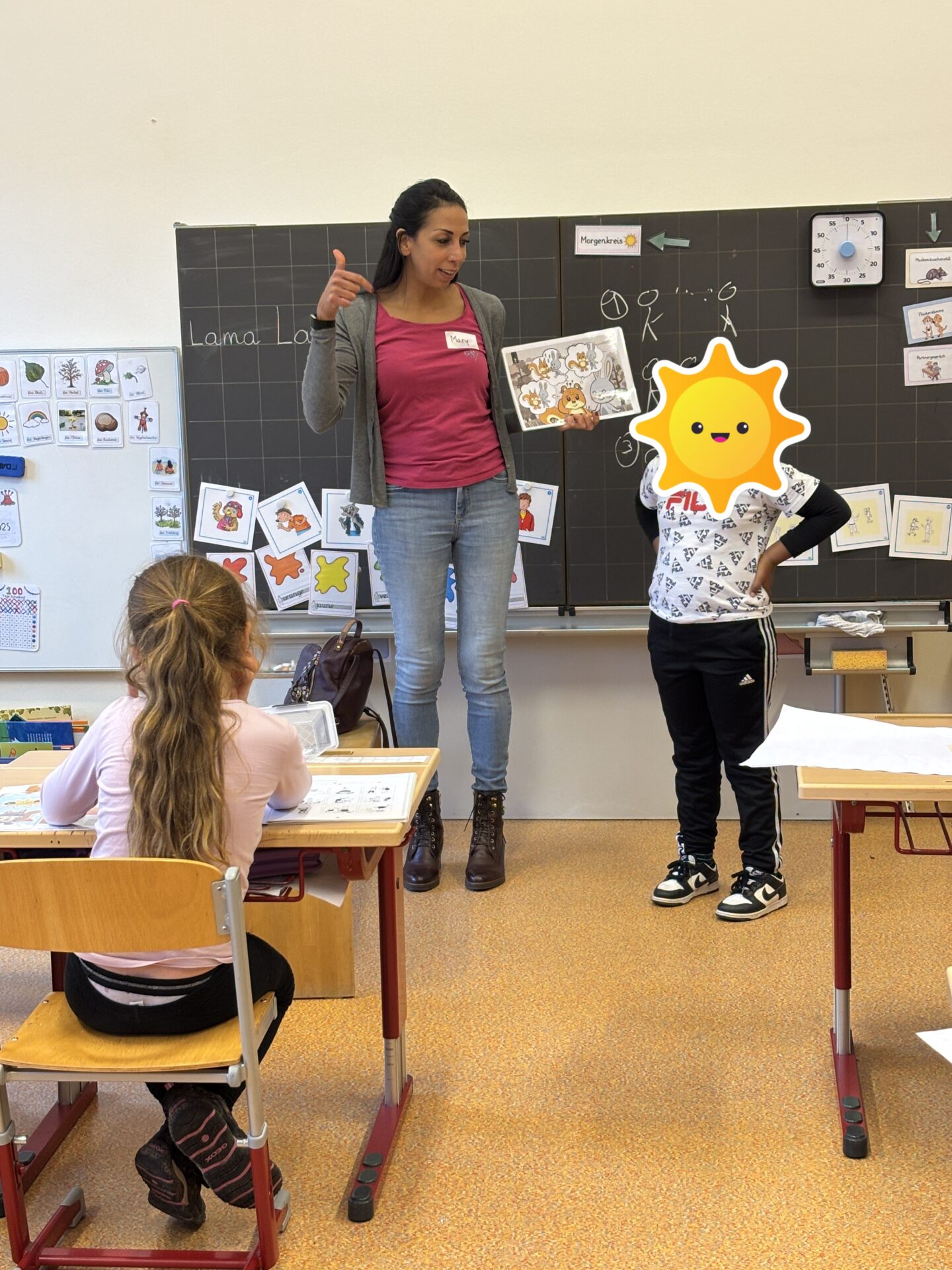
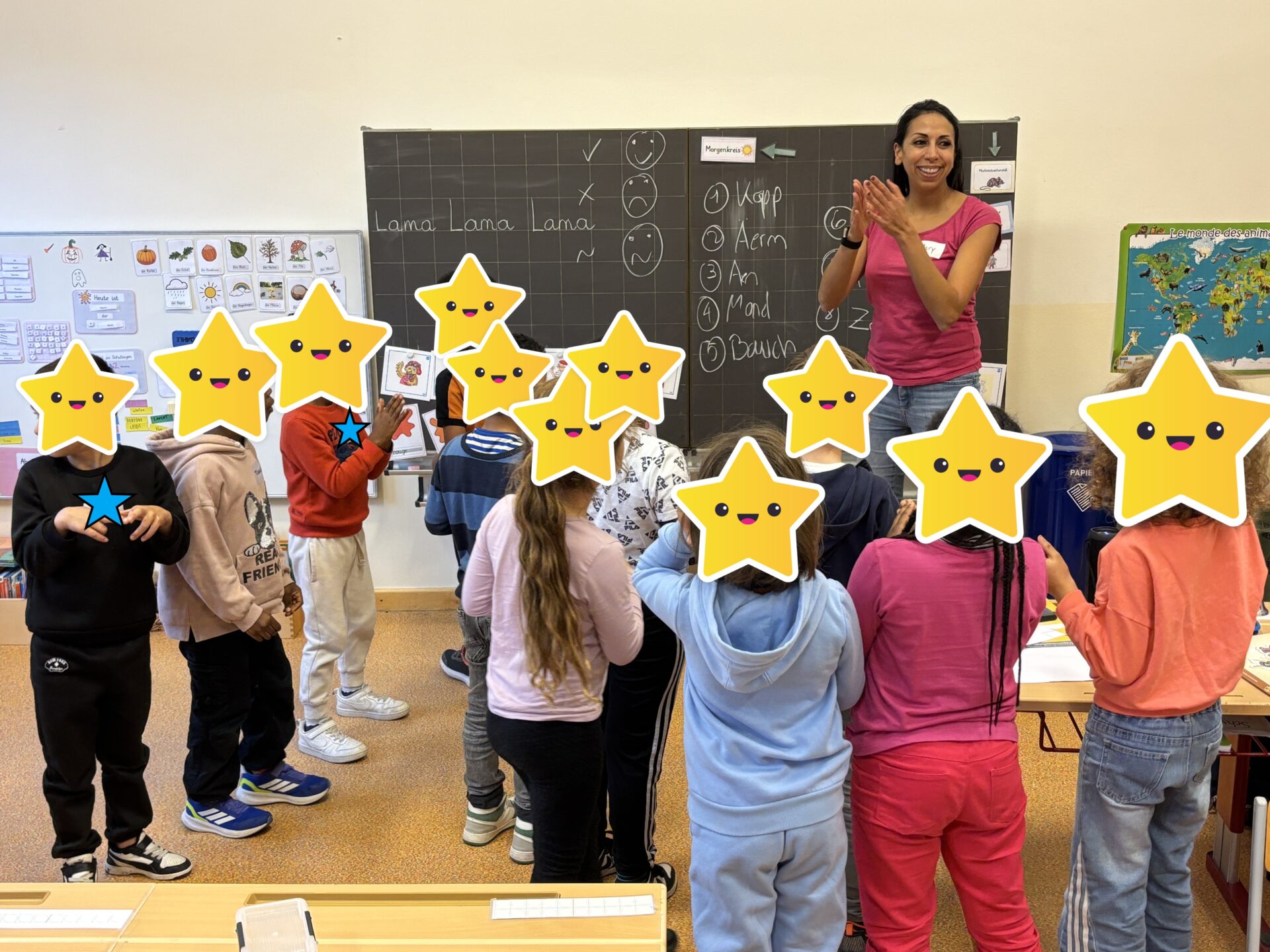
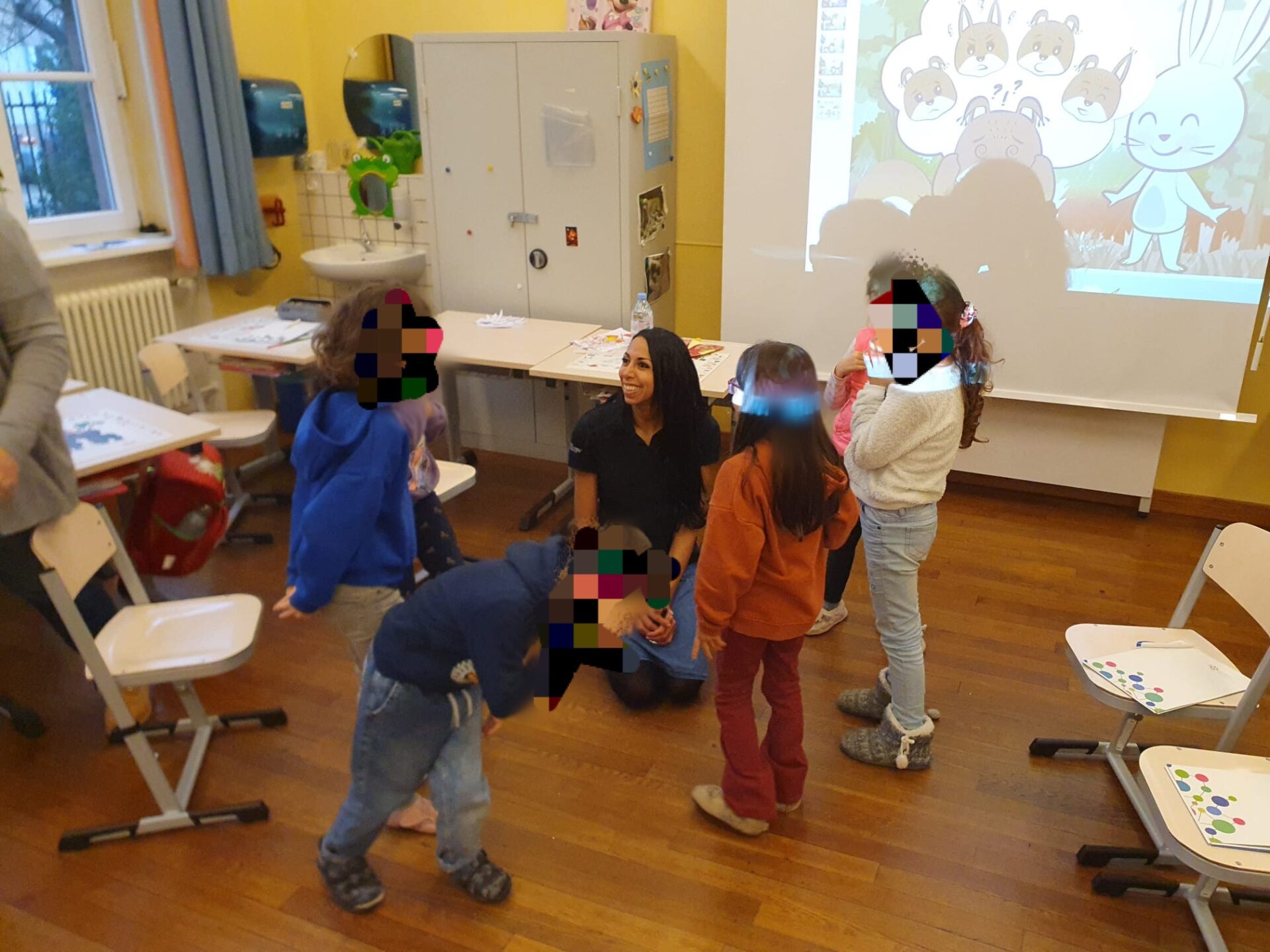
The ‘I’m in charge of my own body!’ project aims to strengthen pupils’ self-determination skills in a way that is appropriate for their age. Through fun activities, stories, games and creative exercises, pupils gradually learn to recognise their feelings, set boundaries and identify trusted adults around them.
The educational approach prioritises active and participatory methods that enable pupils to explore these topics in a safe and supportive environment. The activities on offer encourage the expression of emotions, group discussion and personal reflection.
The programme is structured around six principles of empowerment:
- My body belongs to me!
- I can tell the difference between pleasant, unpleasant and strange touch
- I trust my feelings.
- I have the right to say NO!
- I can tell the difference between good and bad secrets.
- I have the right to ask for help if I need it.
EQUALL
From a very young age, pupils are confronted with ideas and expectations about what girls and boys are supposed to like, do or become. These perceptions, known as gender stereotypes, can influence the way pupils see themselves, interact with others and envisage their future possibilities.
The thematic module ‘EQUALL – alles sinn, alles ginn’ aims to raise pupils’ awareness of these perceptions and show them that activities, emotions, interests, colours, games and careers are not limited by gender. Through games, stories, images, discussions, role-plays and creative activities, pupils gradually discover that everyone is free to develop their own talents, tastes and personal aspirations.
The teaching approach prioritises active, participatory and cooperative methods that encourage observation, the expression of ideas, dialogue and collective reflection within a safe and supportive environment. Pupils learn to recognise certain preconceptions present in their everyday environment and gradually develop a critical perspective on the stereotypical representations conveyed in the media, stories, games, toys and society.
The programme is structured around three educational pillars:
- Exposing stereotypes
- Deconstructing stereotypes
- Gender stereotypes in the workplace
Photos & Media